Lepechinia calycina
White pitcher sage
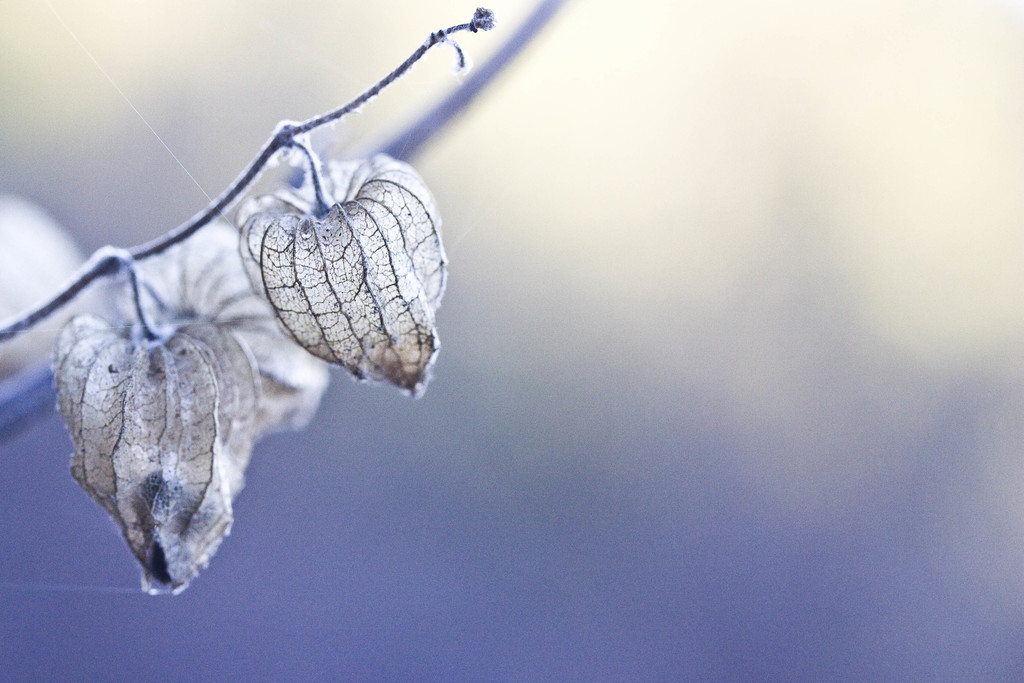
(c) Ken-ichi Ueda, some rights reserved (CC BY) · licence
Family: Lamiaceae · Type: Shrub · Native
Lepechinia calycina (White pitcher sage) is a native California shrub in the Lamiaceae family, recognized by spherical inflated calyx in fruit.
White pitcher sage is a California native perennial found in the northern Coast Ranges, Cascade Range foothills, northern and central Sierra Nevada Foothill woodland, central Coast, San Francisco Bay Area, southern coastal ranges, and western Transverse Ranges in rocky chaparral and woodland habitats at elevations of 150 to 900 meters. Flowering from April to June, this plant produces white flowers with an inflated, spherical calyx that persists after blooming. Growing with erect stems covered in long, branched, non-glandular hairs, it forms a distinctive aromatic herb up to 1 meter tall. Its leaves are lanceolate to narrowly ovate, ranging from nearly entire to slightly toothed, with a soft, textured surface that releases a fragrant scent when crushed. The plant's delicate white flowers and hairy stems make it a distinctive component of California's dry, rocky woodland landscapes.
Identification and appearance
Key characters: 2 sympatric species; key feature is spherical inflated calyx in fruit
Habitat and range
Habitat: Common. Rocky slopes; chaparral, woodland
Elevation: 150-900 m
California counties: San Luis Obispo, Santa Barbara, Sonoma, Lake, San Mateo, Mariposa, Santa Clara, Ventura, Monterey, Butte, Tuolumne, Marin, San Francisco, Contra Costa, Alameda, Solano, Santa Cruz, Mendocino, El Dorado, Humboldt, San Benito, Nevada, Los Angeles, Napa, Calaveras, Tehama, Yuba, Amador, Placer, Yolo, Plumas, Sierra, Colusa, Orange
Bloom period
Lepechinia calycina blooms Apr-Jun.
How to tell it apart
vs Salvia: Salvia's calyx stays tubular in fruit; Lepechinia's calyx inflates into a balloon around the developing seeds.; vs Stachys: Hedge-nettle has much smaller flowers; Lepechinia's flowers are thumb-sized and dramatically larger.; vs Eriodictyon: Yerba santa has fuzzy leaves and five-petaled flowers; Lepechinia has mint-shaped two-lipped flowers.; vs Cistus: Rockrose has five separate petals like a rose; Lepechinia has tubular two-lipped mint flowers.; vs Abelia: Abelia has flowers with distinct petals spreading out; Lepechinia has a tubular mint flower with lips.
Frequently asked questions
Is Lepechinia calycina native to California?
Yes. Lepechinia calycina is native to California (recorded as native).
When does Lepechinia calycina bloom?
Lepechinia calycina blooms Apr-Jun.
Where in California does Lepechinia calycina grow?
Lepechinia calycina occurs in San Luis Obispo, Santa Barbara, Sonoma, Lake, San Mateo, Mariposa, Santa Clara, Ventura and other counties, at elevations of 150-900 m.
What plant family does Lepechinia calycina belong to?
Lepechinia calycina is in the Lamiaceae family, genus Lepechinia.
What habitat does Lepechinia calycina grow in?
Lepechinia calycina grows in Common. Rocky slopes; chaparral, woodland.
Related species
Other California species in the same genus, family, or bioregion.
Sources: Jepson eFlora · Index of California Plant Names · CalPhotos
Last updated 2026-10-07
Data from The California Species Project — 14,000+ California species with verified data from CNPS, CDFW, USFWS, Cal-IPC, and more.