Leptochloa panicea subsp. brachiata
Red sprangletop, Red Sprangletop
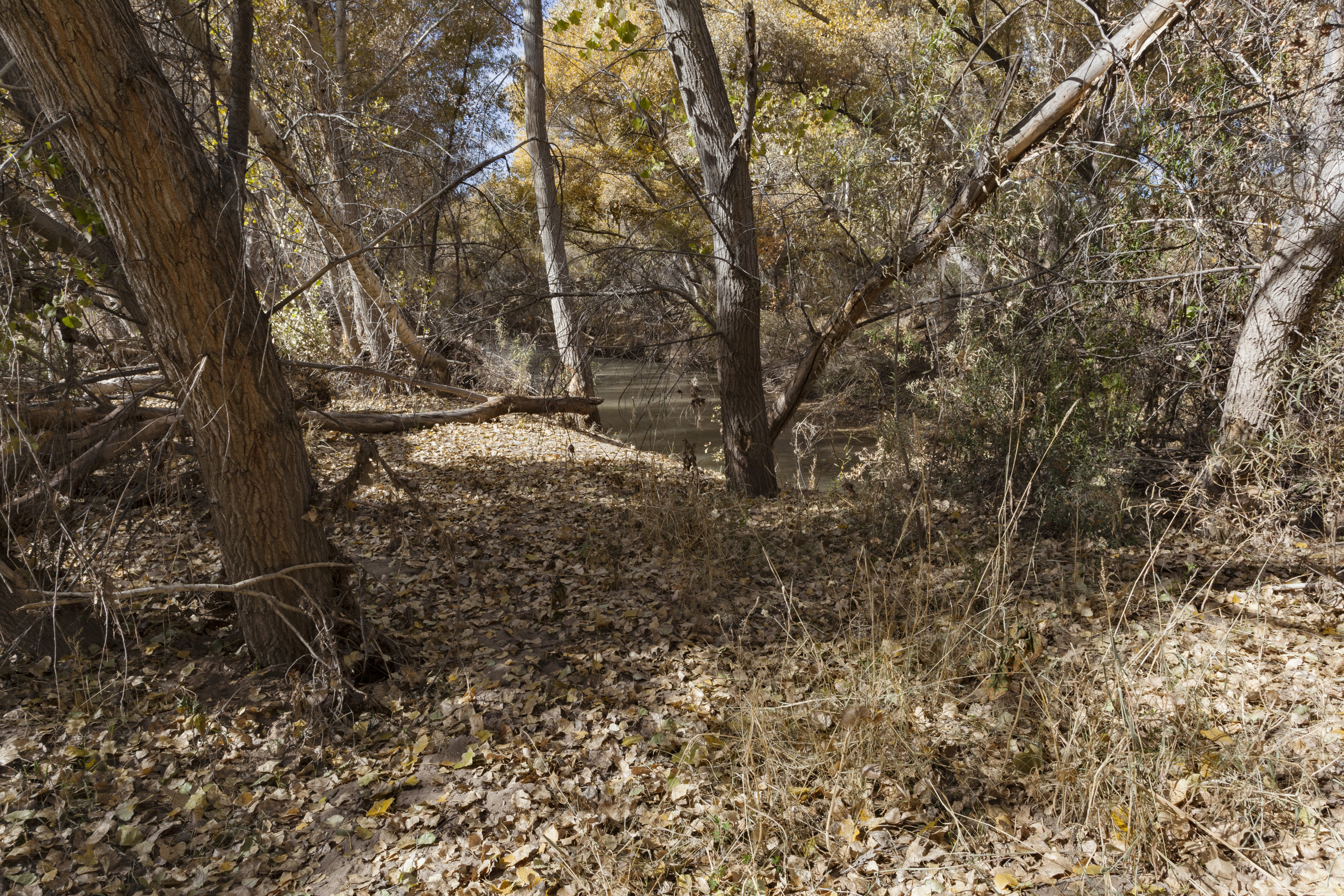
Patrick Alexander from Las Cruces, NM (via Wikimedia Commons) · CC0
Family: Poaceae · Type: Grass · Native
Leptochloa panicea subsp. brachiata (Red sprangletop) is a native California grass in the Poaceae family, recognized by red/purple stems, very small spikelets, and purple glumes.
Red sprangletop is a California native annual found in the Desert bioregion in wet sites and drying ponds at elevations below 100 meters. Flowering from September to December, this plant produces purple-tinged spikelets in compact clusters 3 to 20 centimeters long. Growing with generally erect stems 10 to 50 centimeters tall that are sometimes reddish or purple, it has a distinctive grass-like appearance. Its leaves have papillate-hairy sheaths with blades 5 to 30 centimeters long and 3 to 20 millimeters wide, featuring ligules 1 to 3 millimeters long. The delicate spikelets are compressed, with small purple glumes and 3 to 4 florets per spikelet.
Identification and appearance
Key characters: 3 sympatric species; key features are red/purple stems, very small spikelets, and purple glumes
Habitat and range
Habitat: Wet sites, drying ponds
Elevation: < 100 m
Outside California: to southern United States, Mexico, South America
Bloom period
Leptochloa panicea subsp. brachiata blooms Sep-Dec.
How to tell it apart
vs Diplachne: Leptochloa lemmas have three veins; Diplachne lemmas are prominently nerved with hairy margins.; vs Spartina: Sprangletop has multiple radiating branches; cordgrass has unbranched spike-like panicles.; vs Festuca: Sprangletop lemmas have three veins; fescue lemmas have five or more veins.; vs Sclerochloa: Sprangletop has loose, feathery branching spikes; hardgrass has dense, rigid tufted habit.; vs Echinochloa: Sprangletop has delicate three-veined lemmas; barnyard grass has coarse awned lemmas.
Frequently asked questions
Is Leptochloa panicea subsp. brachiata native to California?
Yes. Leptochloa panicea subsp. brachiata is native to California (recorded as native).
When does Leptochloa panicea subsp. brachiata bloom?
Leptochloa panicea subsp. brachiata blooms Sep-Dec.
What plant family does Leptochloa panicea subsp. brachiata belong to?
Leptochloa panicea subsp. brachiata is in the Poaceae family, genus Leptochloa.
What habitat does Leptochloa panicea subsp. brachiata grow in?
Leptochloa panicea subsp. brachiata grows in Wet sites, drying ponds.
Related species
Other California species in the same genus, family, or bioregion.
Sources: Jepson eFlora · CalPhotos
Last updated 2026-10-07
Data from The California Species Project — 14,000+ California species with verified data from CNPS, CDFW, USFWS, Cal-IPC, and more.