Ludwigia palustris
Marsh purslane
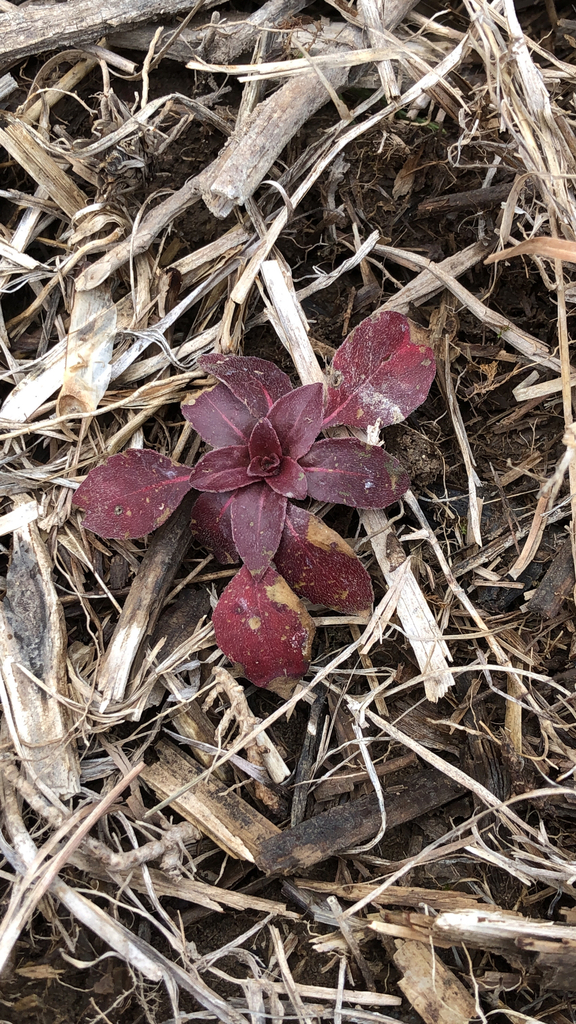
(c) Greghig Jirheg, some rights reserved (CC BY) · licence
Family: Onagraceae · Type: Herb · Native
Ludwigia palustris (Marsh purslane) is a native California herb in the Onagraceae family, recognized by . No petals and opposite leaves.
Marsh purslane is a California native perennial found in western Northwest California, northern Sierra Nevada, central Sierra Nevada, San Joaquin Valley, Central Coast, San Francisco Bay Area, and Southern California in roadside ditches, wet meadows, and pond margins at elevations below 1,000 meters. Flowering from June to September, this plant produces small green flowers with minimal petals. Growing with prostrate or ascending stems that root at nodes and spread 1 to 5 decimeters wide, it forms a matted ground cover. Its opposite leaves are narrowly elliptic to subovate, less than 5 centimeters long and nearly smooth. The fruit develops as an erect, slightly oblong structure 1.5 to 5 millimeters long with faint green stripes.
Identification and appearance
Key characters: 4 sympatric species. No petals and opposite leaves are diagnostic.
Habitat and range
Habitat: Roadside ditches, wet meadows, pond margins
Elevation: < 1000 m
California counties: El Dorado, Fresno, Shasta, Sonoma, Lake, Madera, Modoc, Sacramento, Del Norte, Yuba, Butte, Tehama, Plumas, Lassen, Kings, Stanislaus, Humboldt, Mariposa, Mendocino, Merced, Siskiyou, Tuolumne, Napa, Santa Cruz, Placer, Ventura
Outside California: to British Columbia, eastern United States, Central America, northern South America, introduced +- worldwide
Bloom period
Ludwigia palustris blooms Jun-Sep.
How to tell it apart
vs Veronica: Ludwigia flowers have 4-5 petals and persistent sepals; Veronica has 4 petals and sepals that fall off.; vs Pistia: Ludwigia has separate petals and normal leaves; Pistia is a free-floating rosette with a spathe-like flower.; vs Portulaca: Ludwigia grows in wet habitats with thin leaves; Portulaca has succulent, fleshy leaves in dry areas.; vs Alternanthera: Ludwigia has slender stems; Alternanthera stems are distinctly swollen at the nodes.; vs Epilobium: Ludwigia flowers have no floral tube; Epilobium has a distinct tubular hypanthium extending above the ovary.
Frequently asked questions
Is Ludwigia palustris native to California?
Yes. Ludwigia palustris is native to California (recorded as native).
When does Ludwigia palustris bloom?
Ludwigia palustris blooms Jun-Sep.
Where in California does Ludwigia palustris grow?
Ludwigia palustris occurs in El Dorado, Fresno, Shasta, Sonoma, Lake, Madera, Modoc, Sacramento and other counties, at elevations of < 1000 m.
What plant family does Ludwigia palustris belong to?
Ludwigia palustris is in the Onagraceae family, genus Ludwigia.
What habitat does Ludwigia palustris grow in?
Ludwigia palustris grows in Roadside ditches, wet meadows, pond margins.
Related species
Other California species in the same genus, family, or bioregion.
Sources: Jepson eFlora · Index of California Plant Names · CalPhotos
Last updated 2026-10-07
Data from The California Species Project — 14,000+ California species with verified data from CNPS, CDFW, USFWS, Cal-IPC, and more.