Navarretia prostrata
Prostrate vernal pool navarretia, Prostrate Vernal Pool Navarretia
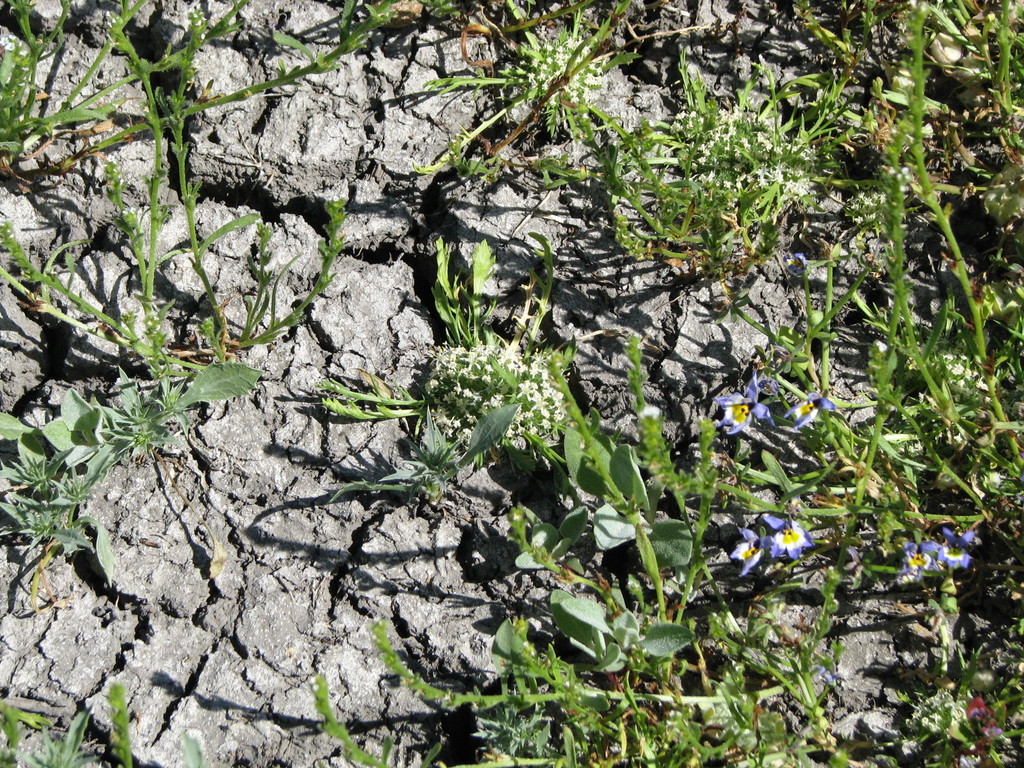
(c) 66dodge, some rights reserved (CC BY), uploaded by 66dodge · licence
Family: Polemoniaceae · Type: Herb · Native
Conservation status: CNPS 1B.2
Navarretia prostrata (Prostrate vernal pool navarretia) is a native California herb in the Polemoniaceae family, recognized by prostrate habit with multiple heads and large leaves.
Prostrate vernal pool navarretia is a rare (CNPS 1B.2) California native annual found in western San Joaquin Valley, central Coast, San Francisco Bay Area, and southern California coastal regions, including vernal pools and alkaline floodplains at elevations below 700 meters. Flowering from April to July, this plant produces blue to white flowers in delicate, clustered heads with distinctive linear petals less than one millimeter wide. Growing as a low-spreading plant with prostrate stems that are sparsely covered in recurved hairs, it forms intricate branching patterns with multiple secondary axes. Its leaves are clustered just below the flower heads, featuring 1 to 2-pinnate lobes with linear segments that are subglabrous and sparsely gland-dotted. The plant's unique translucent fruit is particularly notable for its ability to dehisce when wetted, a characteristic adaptation to its seasonal wetland habitat.
Identification and appearance
Key characters: 33 sympatric species; distinguished by prostrate habit with multiple heads and large leaves
Habitat and range
Habitat: Alkaline floodplains, vernal pools
Elevation: < 700 m
California counties: San Diego, Orange, Los Angeles, Monterey, Alameda, Merced, Riverside, San Bernardino, Sonoma, San Benito, San Luis Obispo, Amador, Butte
Bloom period
Navarretia prostrata blooms Apr-Jul.
Conservation status
CNPS 1B.2
How to tell it apart
vs Leptosiphon: Navarretia has spiny, thistle-like flower heads; Leptosiphon has open flower clusters without spines.; vs Gilia: Navarretia has very short glandular hairs; Gilia has white cobwebby or bent hairs.; vs Eriastrum: Navarretia flower heads are spiny but not woolly; Eriastrum heads are densely woolly-white.; vs Saltugilia: Wet the seeds - Navarretia seeds become gelatinous; Saltugilia seeds stay dry.; vs Eryngium: Navarretia has tubular flowers in heads; Eryngium has tiny separate flowers and divided leaves.
Frequently asked questions
Is Navarretia prostrata native to California?
Yes. Navarretia prostrata is native to California (recorded as native).
When does Navarretia prostrata bloom?
Navarretia prostrata blooms Apr-Jul.
Where in California does Navarretia prostrata grow?
Navarretia prostrata occurs in San Diego, Orange, Los Angeles, Monterey, Alameda, Merced, Riverside, San Bernardino and other counties, at elevations of < 700 m.
What plant family does Navarretia prostrata belong to?
Navarretia prostrata is in the Polemoniaceae family, genus Navarretia.
Is Navarretia prostrata rare or endangered?
Navarretia prostrata carries California Rare Plant Rank 1B.2, state rank S2.
Related species
Other California species in the same genus, family, or bioregion.
Sources: Jepson eFlora · CNPS Rare Plant Inventory · Index of California Plant Names · CalPhotos · CDFW CNDDB
Last updated 2026-10-07
Data from The California Species Project — 14,000+ California species with verified data from CNPS, CDFW, USFWS, Cal-IPC, and more.