Persea americana
Avocado
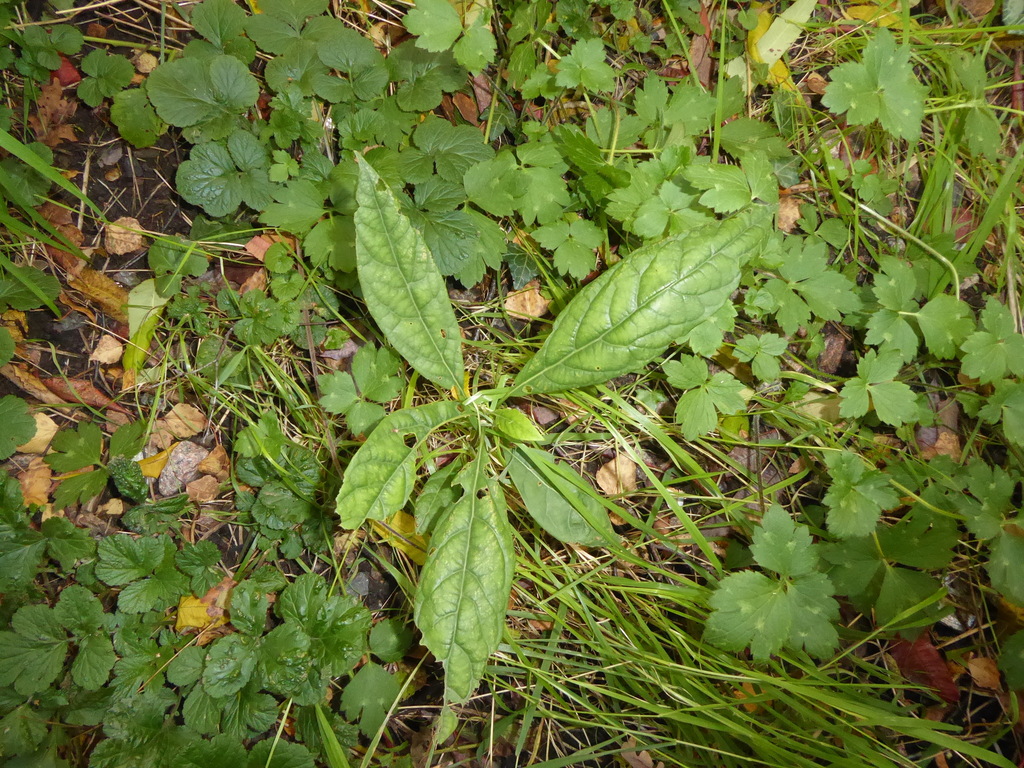
(c) jamie-aa, some rights reserved (CC BY) · licence
Family: Lauraceae · Type: Tree · Not Native
Persea americana (Avocado) is a non-native California tree in the Lauraceae family, recognized by Cultivated escape, tropical representative in temperate California laurel family.
Avocado is a naturalized shrub found in southern California coastal areas in disturbed areas and abandoned gardens at elevations below 580 meters. Flowering from March to May, this plant produces yellow-green flowers small in size with hairy perianth parts. Growing with stems up to 30 meters tall, it develops a broad, spreading structure. Its leaves are large, narrow to wide-elliptic, measuring 6 to 25 centimeters long and 3 to 11 centimeters wide, with minimal hair on the surface. The fruit is distinctive, pear-shaped or round, ranging from 5 to 15 centimeters long and changing color from yellow-green to dark purple as it ripens.
Identification and appearance
Key characters: Cultivated escape, tropical representative in temperate California laurel family
Habitat and range
Habitat: Disturbed areas, abandoned gardens
Elevation: < 580 m
Outside California: native to mountains of Central America, widely cultivated for fruits
Bloom period
Persea americana blooms Mar-May.
How to tell it apart
vs Umbellularia: Avocado leaves are only faintly aromatic when crushed and its fruit is a large pear-shaped berry; California bay leaves are intensely pungent (headache-inducing) with a small olive-like drupe.; vs Laurus: Persea leaves are large (6-25 cm), thin, and flat-margined; sweet bay leaves are smaller, thick, and wavy-margined with a spicy culinary scent and a small berry.; vs Cinnamomum: Camphor tree leaves show three prominent veins running from near the leaf base and smell of camphor when crushed; avocado leaves are pinnately veined without that triple-vein pattern.; vs Umbellularia: Avocado sets a huge single-seeded fleshy fruit; bay produces a thin-fleshed drupe under 3 cm.; vs Laurus: Persea flowers open in loose axillary panicles and set giant fruit; Laurus is dioecious with tiny fruit in denser clusters.
Frequently asked questions
Is Persea americana native to California?
No. Persea americana is not native to California (recorded as not native).
When does Persea americana bloom?
Persea americana blooms Mar-May.
What plant family does Persea americana belong to?
Persea americana is in the Lauraceae family, genus Persea.
What habitat does Persea americana grow in?
Persea americana grows in Disturbed areas, abandoned gardens.
Related species
Other California species in the same genus, family, or bioregion.
Sources: Jepson eFlora · CalPhotos
Last updated 2026-10-07
Data from The California Species Project — 14,000+ California species with verified data from CNPS, CDFW, USFWS, Cal-IPC, and more.