Petrorhagia dubia
Hairypink
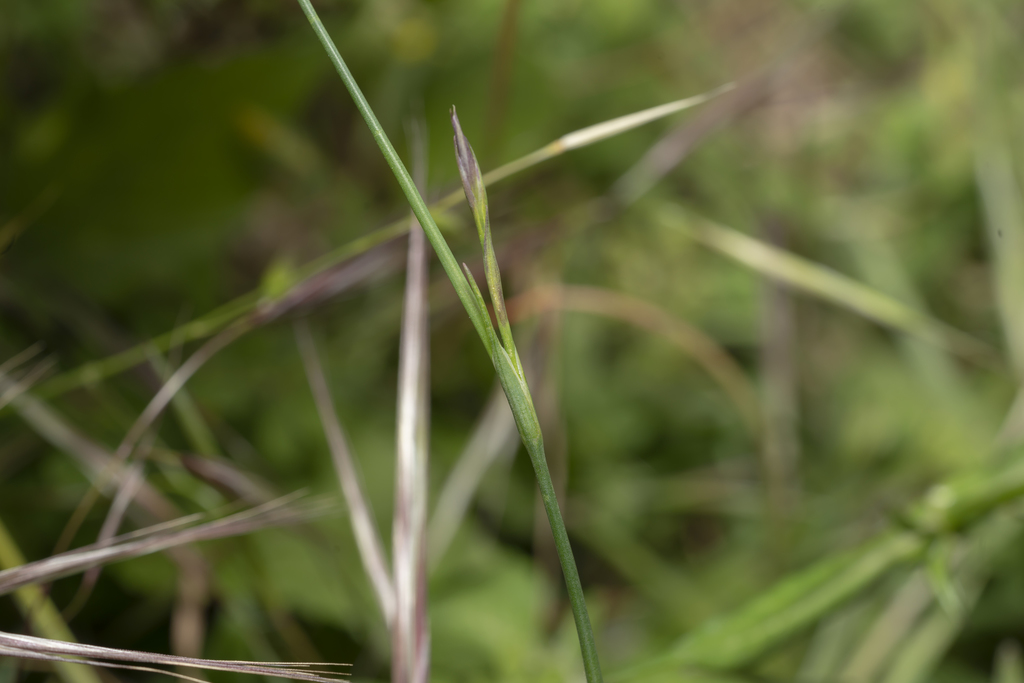
(c) Eleftherios Katsillis, some rights reserved (CC BY), uploaded by Eleftherios Katsillis · licence
Family: Caryophyllaceae · Type: Herb · Not Native
Petrorhagia dubia (Hairypink) is a non-native California herb in the Caryophyllaceae family.
Hairypink is a naturalized annual herb found in the Klamath Ranges, northern California Coastal Ranges, California Floristic Province, northern Sierra Nevada Foothills, northern Sierra Nevada, Sacramento Valley, Central Coast, southern Coast Ranges, and Peninsular Ranges in disturbed areas and woodland savanna at elevations below 1,800 meters. Flowering from spring to early summer, this plant produces pink flowers with darker pink veins, petals subtly notched or two-lobed. Growing with erect stems 10 to 60 centimeters tall, its middle stem sections are densely covered in glandular hairs. Its leaves range from linear to oblong, with lower leaves more oblanceolate, measuring 10 to 60 millimeters long. Small seeds are cone-shaped and slightly bumpy, measuring 1 to 1.4 millimeters long.
Identification and appearance
Key characters: 2 sympatric species; key differentiators are glandular-hairy stems, large leaf sheaths, and multi-veined petals
Habitat and range
Habitat: Disturbed areas, woodland savanna
Elevation: < 1800 m
California counties: Yuba, San Diego, Nevada, Butte, Trinity, Tulare, El Dorado, Mendocino, Napa, Placer, Tehama, Yolo, Shasta, Amador, Calaveras, Marin, Sacramento, Humboldt, Solano, Monterey, Fresno, Lake, Contra Costa, Plumas, Sutter, Mariposa, Siskiyou, Colusa, San Luis Obispo, Madera, Sierra
Outside California: Texas to Mississippi, native to southern Europe, northern Africa
Bloom period
Petrorhagia dubia blooms Spring-early summer.
How to tell it apart
vs Dianthus: Petrorhagia has wide papery reddish-brown bracts (5-12mm); Dianthus has narrow green pointed bracts.; vs Silene: Petrorhagia has papery reddish bracts surrounding flowers; Silene lacks involucral bracts around flowers.; vs Geranium: Petrorhagia has tubular flowers with papery bracts; Geranium has flat 5-petaled flowers and beaked fruits.; vs Erodium: Petrorhagia has tubular flowers with papery bracts; Erodium has flat flowers and long-beaked stork's-bill fruits.; vs Gypsophila: Petrorhagia has conspicuous wide papery brown bracts; Gypsophila lacks bracts and has airy flower masses.
Frequently asked questions
Is Petrorhagia dubia native to California?
No. Petrorhagia dubia is not native to California (recorded as not native).
When does Petrorhagia dubia bloom?
Petrorhagia dubia blooms Spring-early summer.
Where in California does Petrorhagia dubia grow?
Petrorhagia dubia occurs in Yuba, San Diego, Nevada, Butte, Trinity, Tulare, El Dorado, Mendocino and other counties, at elevations of < 1800 m.
What plant family does Petrorhagia dubia belong to?
Petrorhagia dubia is in the Caryophyllaceae family, genus Petrorhagia.
What habitat does Petrorhagia dubia grow in?
Petrorhagia dubia grows in Disturbed areas, woodland savanna.
Related species
Other California species in the same genus, family, or bioregion.
Sources: Jepson eFlora · Index of California Plant Names · CalPhotos
Last updated 2026-10-07
Data from The California Species Project — 14,000+ California species with verified data from CNPS, CDFW, USFWS, Cal-IPC, and more.