Ptelea crenulata
California hoptree
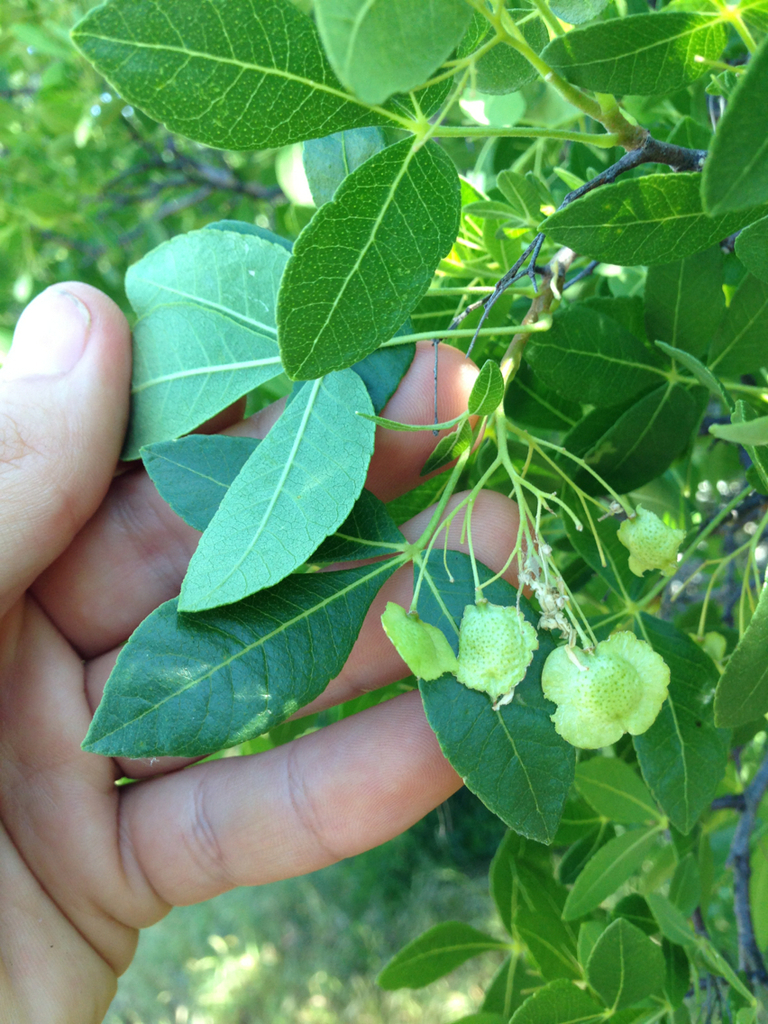
(c) Ken-ichi Ueda, some rights reserved (CC BY), uploaded by Ken-ichi Ueda · licence
Family: Rutaceae · Type: Shrub / Tree · Native
Ptelea crenulata (California hoptree) is a native California shrub / tree in the Rutaceae family, recognized by Only Ptelea species in CA, sole native representative of Rutaceae with compound leaves and distinctive winged fruits.
California hoptree is a native shrub found in the Klamath Ranges, northern Coast Ranges, Cascade Range, Sierra Nevada Foothills, Sutter Buttes, San Joaquin Valley, San Francisco Bay Area, and Peninsular Ranges in scrub and woodland habitats at elevations generally below 1,050 meters. Flowering from April to May, this plant produces fragrant white flowers with petals 4 to 5 millimeters long in flat-topped clusters. Growing up to 5 meters tall with deciduous branches, it has a distinctive branching structure. Its compound leaves consist of three leaflets 2 to 7 centimeters long, ranging from lanceolate to obovate, with smooth upper surfaces and slightly hairy undersides. The fruit is a straw-colored, winged structure 1 to 2 centimeters long with a distinctive notched tip.
Identification and appearance
Key characters: Only Ptelea species in CA, sole native representative of Rutaceae with compound leaves and distinctive winged fruits
Habitat and range
Habitat: Scrub, woodland
Elevation: generally < 1050 m
California counties: Butte, El Dorado, Tulare, Lake, Tehama, Contra Costa, Amador, Fresno, Mariposa, Merced, Monterey, Santa Clara, Shasta, Sutter, Alameda, Solano, Los Angeles, Calaveras, Siskiyou, Orange, Sacramento, Napa, Placer, Colusa, Yolo
Bloom period
Ptelea crenulata blooms Apr-May.
How to tell it apart
vs Fraxinus: Ptelea has round coin-like winged fruits and citrus-scented leaves; ash has elongated single-winged fruits and no citrus scent.; vs Rosa: Ptelea has compound leaves with smooth-edged leaflets and round winged fruits; roses have toothed leaflets and fleshy rose hips.; vs Rupertia: Ptelea has round papery-winged fruits and citrus scent; Rupertia has pea-like pods and no citrus scent.; vs Toxicodendron: Ptelea leaflets have smooth edges and citrus scent; poison oak has toothed/lobed leaflets and no citrus scent.; vs Cneoridium: Ptelea has compound leaves and round winged fruits; Cneoridium has simple opposite leaves and berry-like fruits.
Frequently asked questions
Is Ptelea crenulata native to California?
Yes. Ptelea crenulata is native to California (recorded as native).
When does Ptelea crenulata bloom?
Ptelea crenulata blooms Apr-May.
Where in California does Ptelea crenulata grow?
Ptelea crenulata occurs in Butte, El Dorado, Tulare, Lake, Tehama, Contra Costa, Amador, Fresno and other counties, at elevations of generally < 1050 m.
What plant family does Ptelea crenulata belong to?
Ptelea crenulata is in the Rutaceae family, genus Ptelea.
What habitat does Ptelea crenulata grow in?
Ptelea crenulata grows in Scrub, woodland.
Related species
Other California species in the same genus, family, or bioregion.
Sources: Jepson eFlora · Index of California Plant Names · CalPhotos
Last updated 2026-10-07
Data from The California Species Project — 14,000+ California species with verified data from CNPS, CDFW, USFWS, Cal-IPC, and more.