Purshia tridentata var. tridentata
Antelope bitterbrush
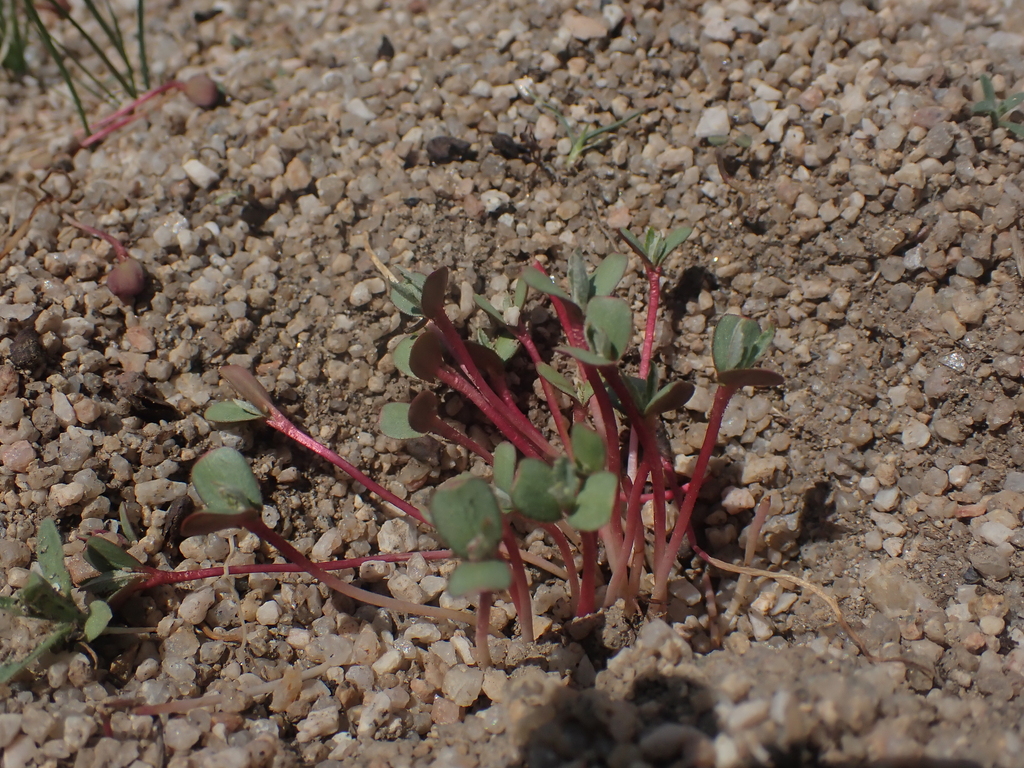
Photo: parent species Purshia tridentata · no rights reserved · CC0
Family: Rosaceae · Type: Shrub · Native
Purshia tridentata var. tridentata (Antelope bitterbrush) is a native California shrub in the Rosaceae family, recognized by non-glandular hairs and lack of leaf glands.
Antelope bitterbrush is a native shrub found in the Klamath Ranges, northern Coast Ranges, Cascade Range, Sierra Nevada eastern slopes, and Great Basin in sagebrush scrub, pinyon and juniper woodlands, and conifer forests at elevations of 900 to 3,400 meters. Flowering from March to July, this plant produces small white to cream-colored flowers in delicate clusters. Growing as a dense, rounded shrub 1 to 3 meters tall with spreading branches, it forms an important component of western mountain landscapes. Its leaves are small, leathery, and deeply three-lobed, densely covered with soft white hairs on the upper surface. The shrub provides critical browse for wildlife, particularly antelope and deer during winter months.
Identification and appearance
Key characters: 1 sympatric species; key feature is non-glandular hairs and lack of leaf glands
Habitat and range
Habitat: Sagebrush scrub, pinyon/juniper woodland, conifer forest
Elevation: 900-3400 m
California counties: San Bernardino, Mono, Siskiyou, Inyo, El Dorado, Shasta, Lassen, Tulare, Kern, Plumas, Nevada, Modoc, Sierra, Lake, Madera, Fresno, Alpine, Los Angeles, Butte, Mariposa, Trinity, Amador, Placer, Tehama, Colusa, Riverside, Mendocino, San Diego
Outside California: to British Columbia, Montana, New Mexico
Bloom period
Purshia tridentata var. tridentata blooms Mar-Jul.
How to tell it apart
vs Baccharis: Purshia has lobed leaves with rolled margins; Baccharis has simple, entire or toothed leaves without lobes.; vs Ceanothus: Purshia leaves have 3-9 narrow lobes at the tip; Ceanothus leaves are simple with small teeth along edges.; vs Ribes: Purshia has wedge-shaped leaves lobed only at the tip; currant leaves are broadly lobed from the base.; vs Adenostoma: Purshia has 3-9 lobed leaves; chamise has needle-like, unlobed leaves clustered on short shoots.; vs Artemisia: Purshia has woody stems and large white flowers; sagebrush has inconspicuous flower heads in spikes.
Frequently asked questions
Is Purshia tridentata var. tridentata native to California?
Yes. Purshia tridentata var. tridentata is native to California (recorded as native).
When does Purshia tridentata var. tridentata bloom?
Purshia tridentata var. tridentata blooms Mar-Jul.
Where in California does Purshia tridentata var. tridentata grow?
Purshia tridentata var. tridentata occurs in San Bernardino, Mono, Siskiyou, Inyo, El Dorado, Shasta, Lassen, Tulare and other counties, at elevations of 900-3400 m.
What plant family does Purshia tridentata var. tridentata belong to?
Purshia tridentata var. tridentata is in the Rosaceae family, genus Purshia.
What habitat does Purshia tridentata var. tridentata grow in?
Purshia tridentata var. tridentata grows in Sagebrush scrub, pinyon/juniper woodland, conifer forest.
Related species
Other California species in the same genus, family, or bioregion.
- Purshia sp.
- Purshia stansburyana — Cliffrose
- Purshia tridentata — Bitterbrush
- Purshia tridentata var. glandulosa — Antelope brush
- Pyracantha angustifolia — Slender or woolly firethorn
- Pyracantha atalantioides — Sichuan firethorn
- Pyracantha coccinea — Firethorn or scarlet firethorn
- Pyracantha crenulata — Himalayan or nepal firethorn
Sources: Jepson eFlora · Index of California Plant Names · CalPhotos
Last updated 2026-09-30
Data from The California Species Project — 14,000+ California species with verified data from CNPS, CDFW, USFWS, Cal-IPC, and more.