Samolus parviflorus
Seaside brookweed, Seaside Brookweed
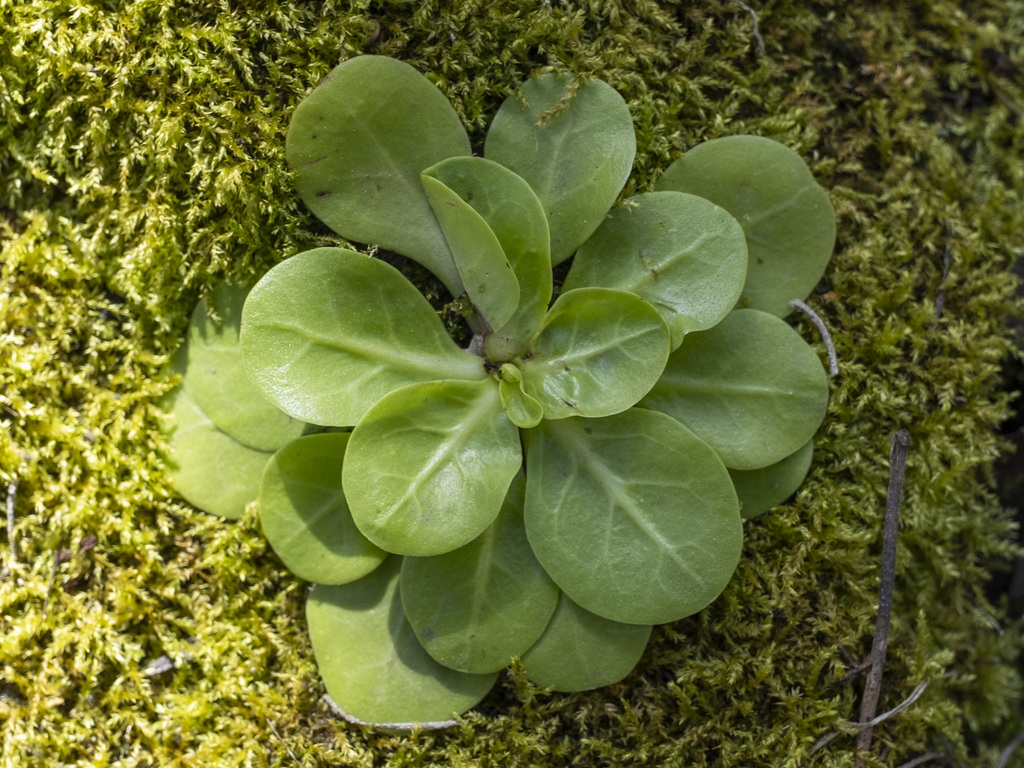
(c) Alex Abair, some rights reserved (CC BY), uploaded by Alex Abair · licence
Family: Theophrastaceae · Type: Perennial · Native
Samolus parviflorus (Seaside brookweed) is a native California perennial in the Theophrastaceae family, recognized by Only Samolus species in California, representing a widely distributed but uncommon wetland genus.
Seaside brookweed is a California native perennial found in the Great Valley, central western California, southern California coastal areas, northern Channel Islands, western Transverse Ranges, San Bernardino Mountains, and Peninsular Ranges in moist sites at elevations generally below 1,300 meters. Flowering from spring to summer, this plant produces tiny white flowers approximately 1.5 millimeters across. Growing with upright stems 15 to 40 centimeters tall, it develops an elegant branching structure. Its leaves are lance-oblong to obovate, 2 to 5 centimeters long, with blades that taper gracefully to winged petioles and have obtuse to rounded tips. The small round fruits measure about 2.5 millimeters wide, completing its delicate botanical profile.
Identification and appearance
Key characters: Only Samolus species in California, representing a widely distributed but uncommon wetland genus
Habitat and range
Habitat: Moist sites
Elevation: generally < 1300 m
California counties: San Diego, San Bernardino, Riverside, Orange, Los Angeles, Santa Barbara, San Luis Obispo, Sacramento, Solano, Butte, Contra Costa, San Joaquin, Napa, Monterey
Outside California: to British Columbia, eastern North America, South America
Bloom period
Samolus parviflorus blooms Spring-summer.
How to tell it apart
vs Lysimachia: Lysimachia pedicels lack a mid-stalk bractlet and the ovary is fully superior; Samolus has a small bractlet attached midway along each flower stalk and a half-inferior ovary.; vs Veronica: Veronica has 4 unequal corolla lobes and a flattened notched capsule; Samolus has a radial 5-lobed white corolla, a rounded capsule, and a bractlet on the pedicel.; vs Ludwigia: Ludwigia has yellow or 4-parted flowers and a truly inferior ovary; Samolus has small white 5-lobed flowers, a half-inferior ovary, and a pedicel bractlet.; vs Montia: Montia has opposite, often succulent leaves and 5 separate petals; Samolus has alternate obovate leaves in a basal rosette plus a leafy stem and a tiny fused 5-lobed corolla.; vs Anagallis: Pimpernel flowers sit on bractless pedicels above a superior ovary; Samolus has the diagnostic mid-pedicel bractlet and a partly inferior ovary.
Frequently asked questions
Is Samolus parviflorus native to California?
Yes. Samolus parviflorus is native to California (recorded as native).
When does Samolus parviflorus bloom?
Samolus parviflorus blooms Spring-summer.
Where in California does Samolus parviflorus grow?
Samolus parviflorus occurs in San Diego, San Bernardino, Riverside, Orange, Los Angeles, Santa Barbara, San Luis Obispo, Sacramento and other counties, at elevations of generally < 1300 m.
What plant family does Samolus parviflorus belong to?
Samolus parviflorus is in the Theophrastaceae family, genus Samolus.
What habitat does Samolus parviflorus grow in?
Samolus parviflorus grows in Moist sites.
Related species
Other California species in the same genus, family, or bioregion.
Sources: Jepson eFlora · Index of California Plant Names · CalPhotos
Last updated 2026-09-30
Data from The California Species Project — 14,000+ California species with verified data from CNPS, CDFW, USFWS, Cal-IPC, and more.