Stuckenia filiformis subsp. alpina
Slender-leaved pondweed, Slender-Leaved Pondweed
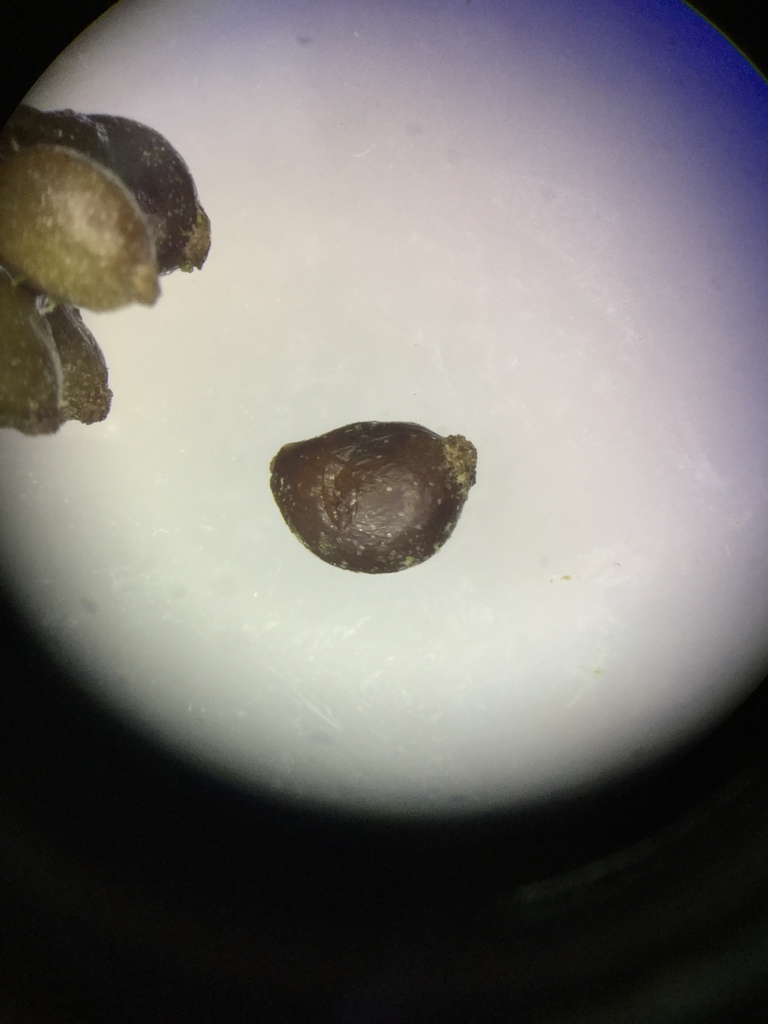
(c) Matt Bowser, some rights reserved (CC BY), uploaded by Matt Bowser · licence
Family: Potamogetonaceae · Type: Herb · Native
Conservation status: CNPS 2B.2
Stuckenia filiformis subsp. alpina (Slender-leaved pondweed) is a native California herb in the Potamogetonaceae family, recognized by narrow leaves <3mm, inflated proximal stipule sheaths, and notched leaf tips.
Slender-leaved pondweed is a rare (CNPS 2B.2) California native perennial found in the Klamath Ranges, central Sierra Nevada, Great Valley, Central Coast, San Francisco Bay Area, and Great Basin in shallow, clear water of lakes and drainage channels at elevations of 300 to 2,150 meters. Flowering from May to July, this aquatic plant produces small, inconspicuous flowers in terminal whorls. Growing with slender, branching stems less than 65 centimeters tall that emerge from rhizomes and tubers, it develops a delicate underwater structure. Its narrow leaves are linear to bristle-like, less than 12 centimeters long and less than 3 millimeters wide, with distinctive notched or blunt rounded tips. Small fruits approximately 2 to 3 millimeters long are produced with an inconspicuous beak.
Identification and appearance
Key characters: 2 sympatric species; key features are narrow leaves <3mm, inflated proximal stipule sheaths, and notched leaf tips
Habitat and range
Habitat: Shallow, clear water of lakes, drainage channels
Elevation: 300-2150 m
California counties: Contra Costa, Humboldt, Siskiyou, Lassen
Outside California: to Alaska, Arizona, Greenland, Eurasia
Bloom period
Stuckenia filiformis subsp. alpina blooms May-Jul.
Conservation status
CNPS 2B.2
How to tell it apart
vs Potamogeton: Stuckenia flowers stay submerged on bendy stalks; Potamogeton flowers emerge above water on stiff stalks.; vs Zannichellia: Stuckenia has visible flower spikes; Zannichellia has flowers hidden in leaf axils along the stem.; vs Ruppia: Stuckenia flower stalks stay short and submerged; Ruppia stalks coil and pull fruits to the surface.; vs Ranunculus: Stuckenia has narrow grass-like leaves and tiny greenish flowers; Ranunculus has showy yellow buttercup flowers.
Frequently asked questions
Is Stuckenia filiformis subsp. alpina native to California?
Yes. Stuckenia filiformis subsp. alpina is native to California (recorded as native).
When does Stuckenia filiformis subsp. alpina bloom?
Stuckenia filiformis subsp. alpina blooms May-Jul.
Where in California does Stuckenia filiformis subsp. alpina grow?
Stuckenia filiformis subsp. alpina occurs in Contra Costa, Humboldt, Siskiyou, Lassen, at elevations of 300-2150 m.
What plant family does Stuckenia filiformis subsp. alpina belong to?
Stuckenia filiformis subsp. alpina is in the Potamogetonaceae family, genus Stuckenia.
Is Stuckenia filiformis subsp. alpina rare or endangered?
Stuckenia filiformis subsp. alpina carries California Rare Plant Rank 2B.2, state rank S2S3.
Related species
Other California species in the same genus, family, or bioregion.
Sources: Jepson eFlora · CNPS Rare Plant Inventory · Index of California Plant Names · CalPhotos · CDFW CNDDB
Last updated 2026-10-07
Data from The California Species Project — 14,000+ California species with verified data from CNPS, CDFW, USFWS, Cal-IPC, and more.