Tetrapteron graciliflorum
Hill sun cup
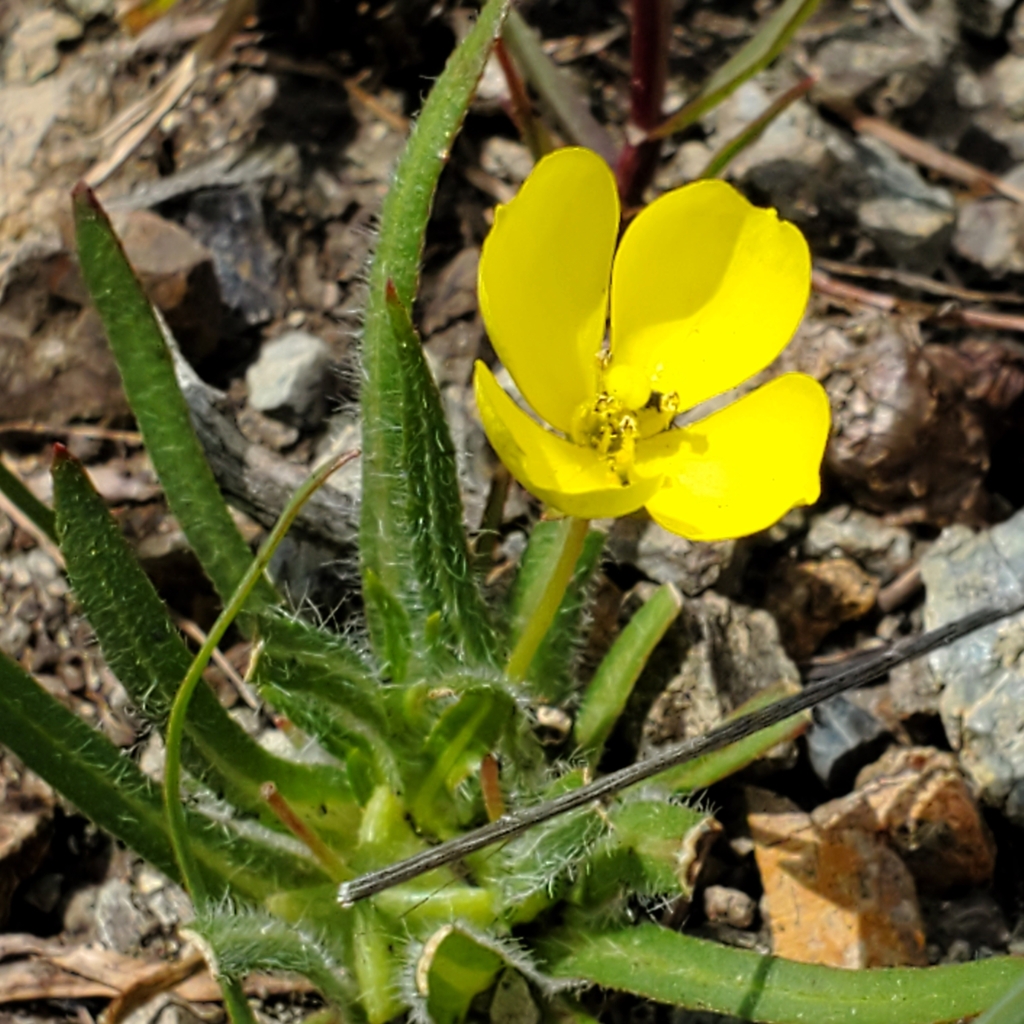
no rights reserved · CC0
Family: Onagraceae · Type: Herb · Native
Tetrapteron graciliflorum (Hill sun cup) is a native California herb in the Onagraceae family, recognized by key differences in habitat, elevation, and stem morphology.
Hill sun cup is a California native annual found in northwestern California, Cascade Range, Sierra Nevada foothills, Central Valley, central western California, and Transverse Ranges in open or shrubby slopes, grasslands, and oak and Joshua-tree woodlands at elevations below 800 meters. Flowering from March to April, this plant produces small flowers with petals that are roughly equal to its anthers, capable of self-pollination or cross-pollination. Growing with slender stems up to 25 millimeters tall that are not swollen or peeling, it has a delicate, low-growing form. Its leaves range from 10 to 98 millimeters long, appearing entire or with very subtle, minute serrations. The fruit is a distinctive 4 to 8 millimeters long, featuring four angles or wings near its tip, with a leathery texture that splits open slowly.
Identification and appearance
Key characters: 1 sympatric species; key differences in habitat, elevation, and stem morphology
Habitat and range
Habitat: Open or shrubby slopes, generally clay soils, grassland, oak and Joshua-tree woodland
Elevation: < 800 m
California counties: Kern, Los Angeles, Napa, San Luis Obispo, Glenn, Lassen, Butte, Sutter, Tehama, Colusa, Siskiyou, San Benito, Humboldt, Fresno, Tulare, Santa Clara, Contra Costa, Merced, Mendocino, Monterey, Stanislaus, Alameda, Shasta, Placer, San Joaquin, Lake, Yolo, Sonoma, Santa Barbara, Ventura, Marin
Outside California: southwestern Oregon, Baja California
Bloom period
Tetrapteron graciliflorum blooms Mar-Apr.
How to tell it apart
vs Camissoniopsis: Tetrapteron pods have four pointed wings at top; Camissoniopsis pods lack wings or have rounded angles.; vs Camissonia: Tetrapteron pods are egg-shaped with pointed wings; Camissonia pods are straight cylinders or coiled.; vs Taraxia: Tetrapteron is annual; Taraxia is perennial returning multiple years.
Frequently asked questions
Is Tetrapteron graciliflorum native to California?
Yes. Tetrapteron graciliflorum is native to California (recorded as native).
When does Tetrapteron graciliflorum bloom?
Tetrapteron graciliflorum blooms Mar-Apr.
Where in California does Tetrapteron graciliflorum grow?
Tetrapteron graciliflorum occurs in Kern, Los Angeles, Napa, San Luis Obispo, Glenn, Lassen, Butte, Sutter and other counties, at elevations of < 800 m.
What plant family does Tetrapteron graciliflorum belong to?
Tetrapteron graciliflorum is in the Onagraceae family, genus Tetrapteron.
What habitat does Tetrapteron graciliflorum grow in?
Tetrapteron graciliflorum grows in Open or shrubby slopes, generally clay soils, grassland, oak and Joshua-tree woodland.
Related species
Other California species in the same genus, family, or bioregion.
Sources: Jepson eFlora · Index of California Plant Names · CalPhotos
Last updated 2026-10-07
Data from The California Species Project — 14,000+ California species with verified data from CNPS, CDFW, USFWS, Cal-IPC, and more.