Typha angustifolia
Narrow-leaved cattail, Narrow-Leaved Cattail
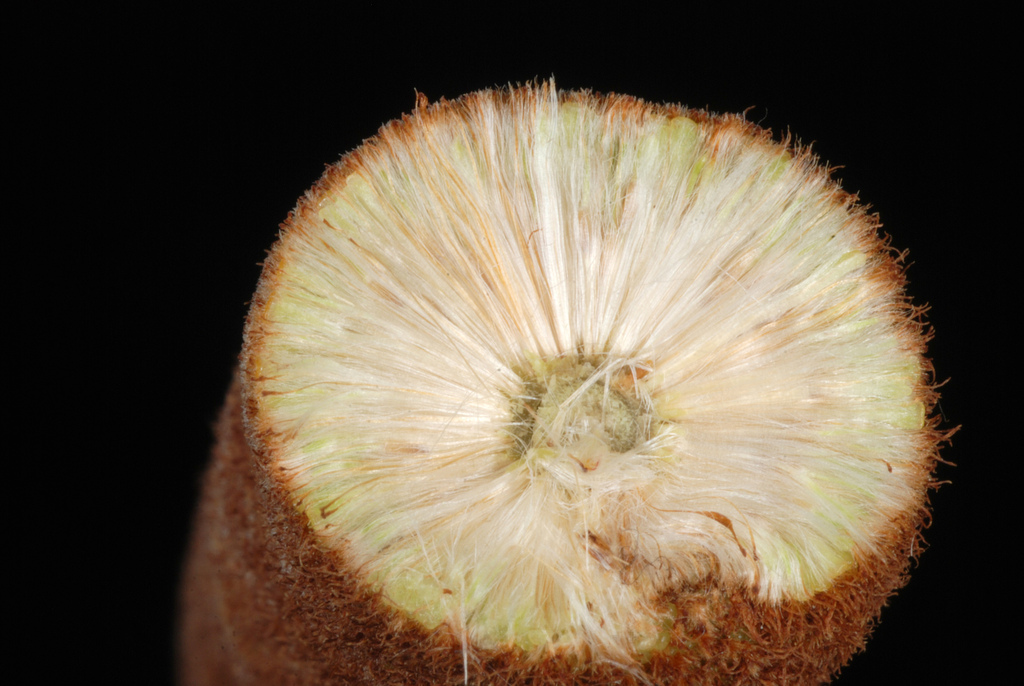
(c) Douglas Goldman, some rights reserved (CC BY-SA), uploaded by Douglas Goldman · licence
Family: Typhaceae · Type: Herb · Not Native
Typha angustifolia (Narrow-leaved cattail) is a non-native California herb in the Typhaceae family, recognized by . Key features: narrow leaves, gap between spikes, dark brown female spike, no glands.
Narrow-leaved cattail is a naturalized perennial found in northwestern California, Sierra Nevada, Central Valley, central Coast, San Francisco Bay Area, and southern California in nutrient-rich freshwater to brackish marshes at elevations below 2,000 meters. Flowering from May to August, this plant produces dense dark brown flower spikes with distinctive staminate and pistillate sections. Growing 1.5 to 3 meters tall with slender stems approximately 2 to 3 millimeters in diameter at the flowering region, it forms dense marsh colonies. Its leaves are long and narrow, measuring 4 to 15 millimeters wide when fresh, with distinctive ear-like membranous sheaths that disintegrate with age. The plant's flower spikes have unique characteristics, with staminate scales ranging from hair-like to strap-like and pistillate sections developing compact, peg-like structures in fruit.
Identification and appearance
Key characters: 2 sympatric species. Key features: narrow leaves, gap between spikes, dark brown female spike, no glands
Habitat and range
Habitat: Nutrient-rich freshwater to brackish marshes, wet disturbed places
Elevation: < 2000 m
California counties: Amador, Riverside, San Mateo, Sonoma, Orange, Marin, Ventura, San Bernardino, Los Angeles, San Luis Obispo, Santa Barbara, San Francisco, Inyo, San Diego, El Dorado, Sacramento, Butte, Kern, Mono, Calaveras, Alameda, Contra Costa, Tulare, San Joaquin, Tehama, Glenn, Santa Clara, Merced, Solano, Colusa, Trinity, Monterey, Mendocino, Plumas, Lassen, Yolo, Fresno
Outside California: to southern British Columbia, central and eastern temperate North America, Eurasia
Bloom period
Typha angustifolia blooms May-Aug.
How to tell it apart
vs Schoenoplectus: Typha has wide flat leaves and cylindrical brown spikes; Schoenoplectus has round leafless stems.; vs Iris: Typha has cylindrical brown spikes; Iris has large showy flowers with 3 petals.; vs Leymus: Typha has brown cylindrical spikes; Leymus has typical grass seed heads.; vs Juncus: Typha has wide flat leaves and brown cylindrical spikes; Juncus has round stems and small brown flowers.; vs Sporobolus: Typha has distinctive brown cylindrical spikes; Sporobolus has open, branching grass inflorescences.
Frequently asked questions
Is Typha angustifolia native to California?
No. Typha angustifolia is not native to California (recorded as not native).
When does Typha angustifolia bloom?
Typha angustifolia blooms May-Aug.
Where in California does Typha angustifolia grow?
Typha angustifolia occurs in Amador, Riverside, San Mateo, Sonoma, Orange, Marin, Ventura, San Bernardino and other counties, at elevations of < 2000 m.
What plant family does Typha angustifolia belong to?
Typha angustifolia is in the Typhaceae family, genus Typha.
What habitat does Typha angustifolia grow in?
Typha angustifolia grows in Nutrient-rich freshwater to brackish marshes, wet disturbed places.
Related species
Other California species in the same genus, family, or bioregion.
Sources: Jepson eFlora · Index of California Plant Names · CalPhotos
Last updated 2026-10-07
Data from The California Species Project — 14,000+ California species with verified data from CNPS, CDFW, USFWS, Cal-IPC, and more.