Ulmus pumila
Siberian elm
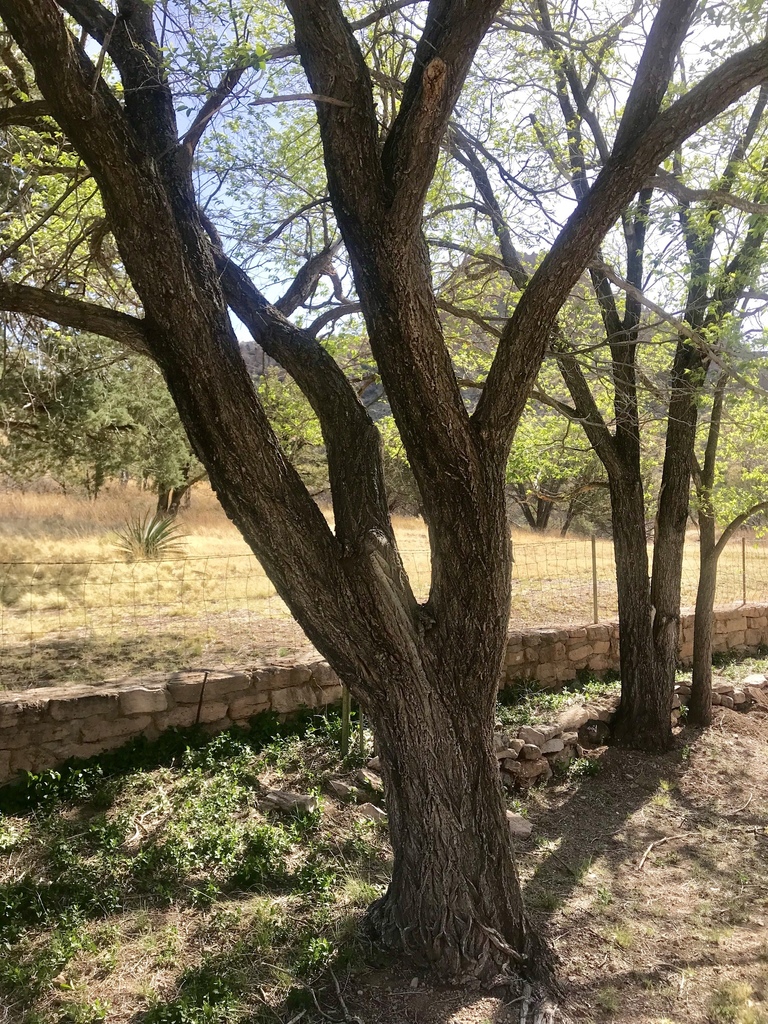
(c) CK2AZ, some rights reserved (CC BY), uploaded by CK2AZ · licence
Family: Ulmaceae · Type: Shrub / Tree · Not Native
Ulmus pumila (Siberian elm) is a non-native California shrub / tree in the Ulmaceae family, recognized by firmly ridged bark, white-ciliate bud scales, and round whitish fruits.
Siberian elm is a naturalized tree found in the Sierra Nevada, southwestern California, and Great Basin in streambanks, washes, bottomlands, roadsides, and disturbed areas at elevations of 20 to 1,500 meters. Flowering from March to April, this tree produces small flowers that emerge before its leaves in early spring. Growing to 25 meters tall with deeply ridged medium gray bark, it features distinctive dark brown or red-brown winter buds that are nearly spherical to oval in shape. Its leaves are ovate to lance-elliptic, 2 to 8 centimeters long with simply or doubly serrate margins, and range from glabrous to lightly pubescent on major veins. The tree produces round to broadly obovate fruit 1 to 2 centimeters wide, which are white to tan in color and appear before the tree's leaves emerge.
Identification and appearance
Key characters: 3 sympatric species; distinguished by firmly ridged bark, white-ciliate bud scales, and round whitish fruits
Habitat and range
Habitat: Streambanks, washes, bottomland, roadsides, disturbed areas
Elevation: 20-1500 m
California counties: San Bernardino, Los Angeles, Kern, Inyo, Riverside, San Diego, Ventura, Sacramento, Alpine, Tulare, Lassen, San Francisco, Santa Barbara, Contra Costa, San Luis Obispo, Marin
Outside California: native to northern Asia
Bloom period
Ulmus pumila blooms Mar-Apr.
How to tell it apart
vs Quercus: Ulmus has flat papery-winged fruits; oaks produce acorns in cups.; vs Alnus: Ulmus has round papery-winged fruits; alder has woody cone-like fruits.; vs Populus: Ulmus fruits are round papery wafers; Populus has cottony seeds on wind.; vs Platanus: Ulmus has individual papery-winged fruits; Platanus has spiky balls hanging on strings.; vs Fraxinus: Ulmus fruits are round papery wafers; ash fruits are single-winged paddles.
Frequently asked questions
Is Ulmus pumila native to California?
No. Ulmus pumila is not native to California (recorded as not native).
When does Ulmus pumila bloom?
Ulmus pumila blooms Mar-Apr.
Where in California does Ulmus pumila grow?
Ulmus pumila occurs in San Bernardino, Los Angeles, Kern, Inyo, Riverside, San Diego, Ventura, Sacramento and other counties, at elevations of 20-1500 m.
What plant family does Ulmus pumila belong to?
Ulmus pumila is in the Ulmaceae family, genus Ulmus.
What habitat does Ulmus pumila grow in?
Ulmus pumila grows in Streambanks, washes, bottomland, roadsides, disturbed areas.
Related species
Other California species in the same genus, family, or bioregion.
Sources: Jepson eFlora · Index of California Plant Names · CalPhotos
Last updated 2026-10-07
Data from The California Species Project — 14,000+ California species with verified data from CNPS, CDFW, USFWS, Cal-IPC, and more.