Antennaria sp.
Pussy-toes, Pussy-Toes
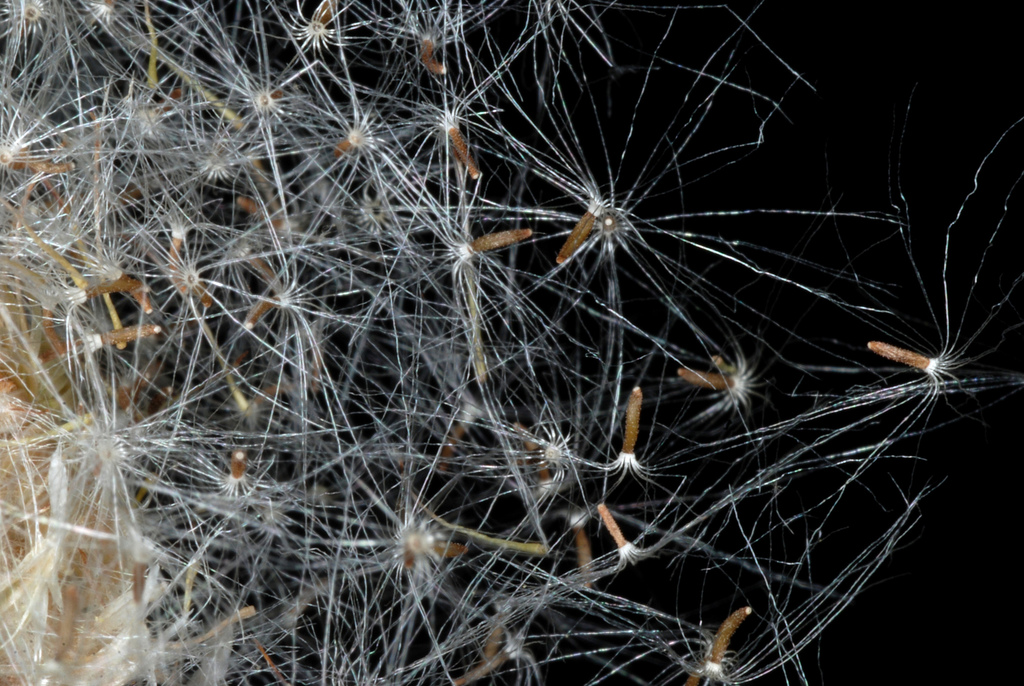
(c) Douglas Goldman, some rights reserved (CC BY-SA) · licence
Family: Asteraceae · Type: Perennial · Variable; species dependent
Antennaria sp. (Pussy-toes) is a non-native California perennial in the Asteraceae family.
How to tell it apart
vs Pseudognaphalium: Antennaria forms low cushions with persistent basal rosettes; Pseudognaphalium grows erect to 200 cm without basal rosettes.; vs Eriogonum: Antennaria has papery-bracted flower heads in the Asteraceae; Eriogonum has showy flowers with papery bracts in the buckwheat family.; vs Anaphalis: Antennaria maintains its basal leaf rosette during flowering; Anaphalis has withered basal leaves with longer, uniform stem leaves.; vs Centaurea: Antennaria has tiny woolly heads (3-9mm) in low cushions; Centaurea has much larger flower heads (15-40mm) on tall stems.; vs Petrophytum: Antennaria has papery-bracted flower heads; Petrophytum has dense spikes of small rose-family flowers with 5 separate petals.
Frequently asked questions
Is Antennaria sp. native to California?
No. Antennaria sp. is not native to California (recorded as variable; species dependent).
What plant family does Antennaria sp. belong to?
Antennaria sp. is in the Asteraceae family, genus Antennaria.
Related species
Other California species in the same genus, family, or bioregion.
- Antennaria suffrutescens — Evergreen everlasting
- Antennaria umbrinella — Brown pussytoes
- Antennaria argentea — Silver pussytoes
- Antennaria corymbosa — Flat top pussytoes
- Antennaria dimorpha — Gray cushion pussytoes
- Antennaria flagellaris — Stoloniferous pussy-toes
- Anthemis arvensis — Corn chamomile
- Anthemis cotula — Mayweed
Sources: Jepson eFlora · CalPhotos
Last updated 2026-04-14
Data from The California Species Project — 14,000+ California species with verified data from CNPS, CDFW, USFWS, Cal-IPC, and more.