Panicum sp.
Panic grass, Panic Grass
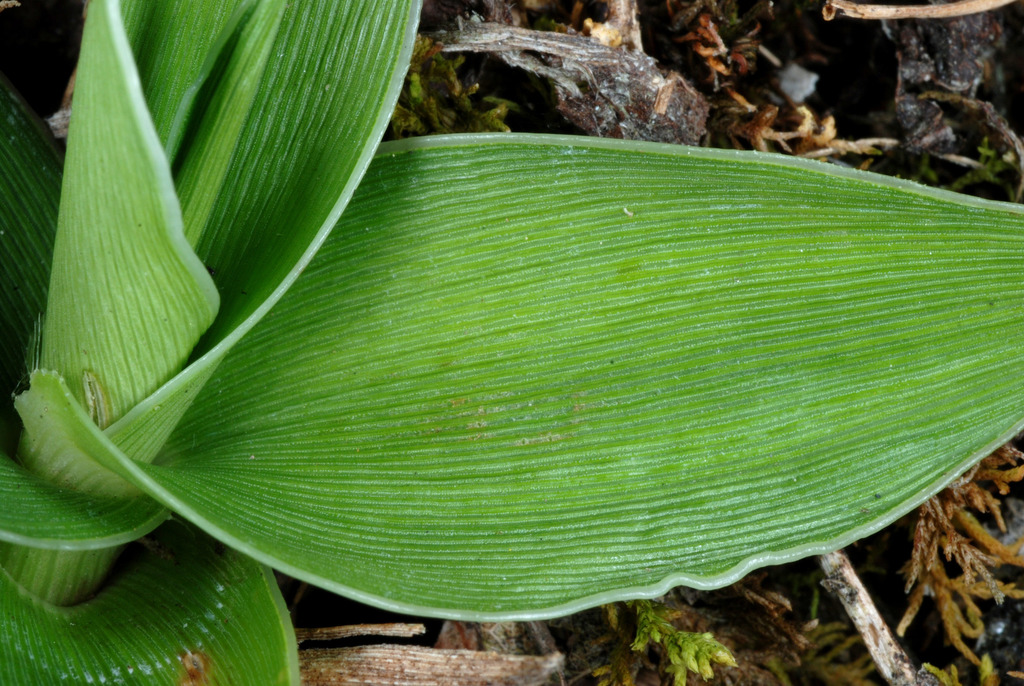
(c) Douglas Goldman, some rights reserved (CC BY-SA), uploaded by Douglas Goldman · licence
Family: Poaceae · Type: Perennial · Variable; species dependent
Panicum sp. (Panic grass) is a non-native California perennial in the Poaceae family.
How to tell it apart
vs Deschampsia: Panicum has thick rigid lemmas and well-developed lower glumes; hairgrass has thin awned florets and tiny glumes.; vs Dichanthelium: Panicum has a single flowering period; rosette grass produces two distinct flower types (spring and summer).; vs Hilaria: Panicum has single spikelets on branches; curly mesquite has spikelets in clusters of three along a spike.; vs Sorghum: Panicum has single spikelets throughout panicle; sorghum has three-spikelet groups at branch tips.; vs Echinochloa: Panicum has a membranous ligule and panicle; barnyard grass lacks a ligule and has bristly branches.
Frequently asked questions
Is Panicum sp. native to California?
No. Panicum sp. is not native to California (recorded as variable; species dependent).
What plant family does Panicum sp. belong to?
Panicum sp. is in the Poaceae family, genus Panicum.
Related species
Other California species in the same genus, family, or bioregion.
- Panicum urvilleanum — Silky panic grass
- Panicum acuminatum — Western panicgrass
- Panicum acuminatum var. fasciculatum — Pacific panic grass
- Panicum acuminatum var. lindheimeri — Lindheimer panicgrass
- Panicum acuminatum var. thermale — Geysers panicum
- Panicum antidotale — Blue panic grass
- Parapholis incurva — Curved sicklegrass
- Parapholis sp. — Sickle grass
- Parapholis strigosa — Hairy sickle grass
Sources: Jepson eFlora · CalPhotos
Last updated 2026-04-14
Data from The California Species Project — 14,000+ California species with verified data from CNPS, CDFW, USFWS, Cal-IPC, and more.